
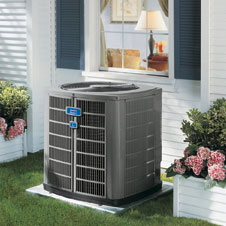
 Illustrative editorial imagery · Not an Able Air job-site photograph
THE COMFORT TAKEAWAY
Turn cooling off if water is pooling, protect nearby flooring and belongings, and make only safe checks such as confirming the filter and visible drain area. Persistent leaks, ice, electrical symptoms, or water near wiring need professional service.
The short answer
An air conditioner usually creates water as it removes humidity from indoor air. That water should collect in a drain pan and leave through a condensate drain. If the drain is clogged, the pan is damaged, the coil freezes, or the system is not moving air correctly, water can overflow or appear in the wrong place. ENERGY STAR identifies a plugged condensate drain as a cause of water damage and indoor-humidity problems. 1
A leak is not something to ignore. Turn the cooling system off if water is pooling or approaching electrical components, protect flooring and belongings, and arrange an evaluation if the source is not obvious.
Safe checks you can make first
Start at the thermostat and set the system to Off. If your equipment instructions permit it, use Fan Only while waiting for service, but do not keep running cooling into an active leak.
Look for water around the indoor air handler, below a visible drain line, or near a secondary pan. Move furniture, rugs, and stored items away from the wet area and use towels or a shallow container where it is safe to do so. Do not touch wiring, remove access panels, or step into standing water near electrical equipment.
If there is an accessible air filter, check whether it is heavily blocked and replace it only with the manufacturer-specified size and type. ENERGY STAR recommends inspecting, cleaning, or changing central-AC filters regularly; restricted airflow can contribute to comfort and equipment problems. 1
Common causes of an indoor AC water leak
A clogged condensate drain. Dust, algae, or debris can restrict the line that carries condensate away from the indoor coil. Water then backs up into the pan or overflows.
A frozen coil. Low airflow, a dirty filter, a blower problem, or a refrigerant issue can allow the coil to become too cold and ice over. When the ice melts, the system may release more water than the pan or drain can handle.
A damaged or poorly positioned pan. Rust, cracks, a shifted pan, or an installation issue can let water escape even when the drain is open.
A drain-pump or line problem. Some air handlers rely on a pump or a line routed through an attic, crawlspace, or finished area. A failed pump, disconnected line, or hidden blockage can cause damage away from the equipment.
Humidity and airflow conditions. Central air conditioners both cool and dehumidify. The U.S. Department of Energy explains that indoor and outdoor components, supply and return airflow, and correct system operation all affect cooling performance. 2
What if you see ice, standing water, or mold?
If you see ice on the indoor coil or refrigerant line, turn cooling off and arrange service. Do not chip ice away with a tool or keep running the system to force it to thaw. The underlying cause could involve airflow, controls, or refrigerant, and diagnosis requires appropriate equipment.
If water has reached drywall, flooring, insulation, or stored belongings, dry the area promptly and document the damage. The EPA says moisture control is central to mold control and recommends keeping AC drip pans clean and drain lines unobstructed and flowing properly. It also advises drying wet materials within 24–48 hours when possible. 3
Visible mold, persistent dampness, or a recurring leak deserves attention to both the HVAC fault and the moisture damage. Avoid disturbing extensive mold growth and consider qualified remediation guidance.
When should you call an HVAC professional?
Call for service when the leak continues after the system is off, returns after a temporary cleanup, or appears with weak airflow, ice, unusual sounds, an electrical smell, repeated shutdowns, or a system that no longer cools. Call promptly when water is near wiring, the air handler is in an attic, or the leak is damaging ceilings or finished spaces.
A professional can inspect the pan, drain, pump, coil, filter and blower, airflow, controls, refrigerant conditions, and installation details. ENERGY STAR recommends annual pre-season checkups that include the condensate drain, coils, blower components, controls, and refrigerant level. 1
The Long Island next step
Before calling, note where the water appears, whether the system was running, whether you saw ice, how quickly the water returns, and whether the home is still cooling. Photos of the wet area and any visible ice can help the technician prepare.
Able Air Conditioning & Heating Corp. provides air-conditioning service and repair across Nassau and Suffolk County. See HVAC service and repair, central air conditioning, or contact Able Air for the next step. Call (516) 764-4300 when a water leak threatens comfort or property.
A few more good questions.
Can I run my AC if it is leaking water?
Turn cooling off when water is pooling, approaching wiring, damaging the home, or accompanied by ice or unusual electrical symptoms. Protect the area and arrange service rather than continuing to run a malfunctioning system.
Is an AC water leak always caused by a clogged drain?
No. A clogged condensate drain is common, but a frozen coil, restricted airflow, damaged pan, drain pump, installation issue, or another equipment problem can also cause water to appear indoors.
How quickly can an AC leak cause mold?
Moisture damage can worsen quickly. The EPA recommends drying wet materials within 24–48 hours when possible and fixing the water source instead of only cleaning the visible area.
Keep learning
Primary sources and further reading behind this guide.